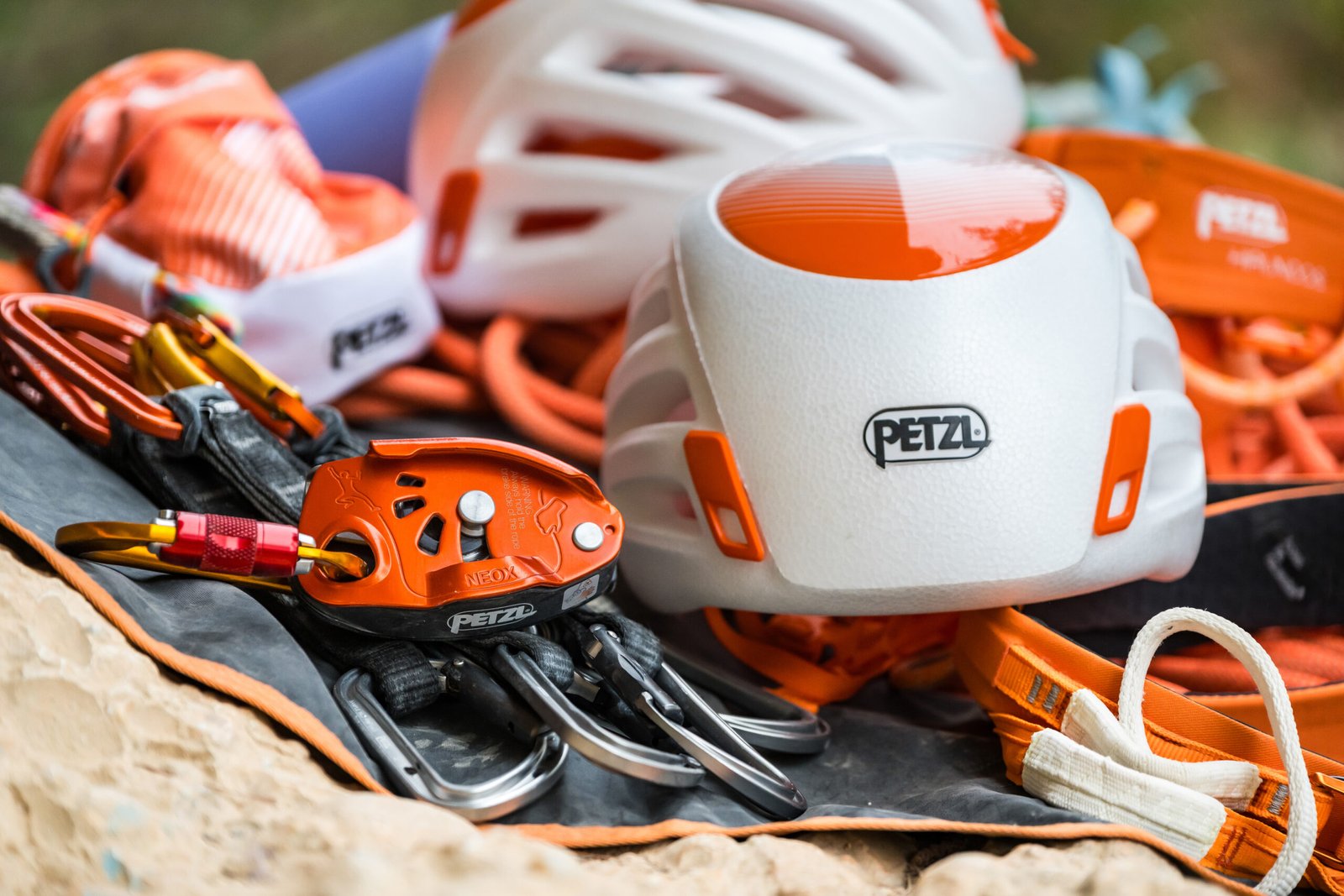
The Petzl helmet will protect you while you pursue climbing and alpine routes. But like any safety equipment and gear, they wear out and become unusable, sometimes even without you noticing. Weekend climbers and expert mountaineers alike must never ignore the wear and damage indicators of helmets. Here’s a quick guide to help you understand when to retire your helmet.
Visible Cracks or Dents in the Shell
Petzl helmet outer shells are designed to absorb impact damage and distribute the force evenly to prevent long-term injuries. However, if the outer shell shows any signs of being cracked, warped, or dented, then the issue is far more serious.
Those tough-looking polycarbonate and ABS shells may seem safe, but the moment they’re dashed against something, they instantly lose their ability to shield your head from falls. Once such damage is sustained, the protective features for the helmet are toast. Advanced climbing features will then not make a difference to the model.
Some common causes of shell dings are:
- Transporting the helmet without proper securing mechanisms
- Using improperly packed bags
- Sheltering the helmet from falling rocks while climbing
Always check your equipment before and after a trip. If you notice changes in shape or deformation, even slight changes, then the gear is no longer protective and should not be used. It’s an alert signal.
Compressed or Degraded Foam Liner
The foam liner in the climbing helmets is important for absorbing shock during an impact. With time and especially after extensive use or storage, this foam will compress, harden, or even deteriorate.
Looking underneath the helmet padding can reveal important clues. Is the foam brittle or mushy? Is it separated from the helmet shell? If so, the internal sweat, UV exposure, and humidity damage to the foam will no longer be able to absorb any force from head trauma.
Sometimes the outer portion of a helmet might seem pristine, while the inner portion is exposed to hidden damage. If you have suffered hard falls, impacts can internally damage the helmet without showing any external symptoms. Such a helmet needs an immediate replacement.
Damaged or Worn Straps and Buckles
The outer shell of the helmet is frame is clearly visible, so it gets most of the attention however, the straps and buckles also play a major role in the safety of the helmet. If they show signs of wear such as fraying or difficulty in adjusting, there’s a problem.
Regularly check for the following:
- Fraying or loose stitching near the connection points.
- Cracks or warping in the buckles.
- Straps that are stiff or have been stretched and don’t retain a snug fit.
Straps that fail to hold a helmet snug on your head could expose you to risks during sudden jerks or falls. If your Petzl helmet loses its snug fit, don’t attempt to secure it with tape or other makeshift solutions. Get a new one. It is not worth risking your head.
Loose Fit or Loss of Adjustability
When climbing helmets begin to wobble, even after adjusting the strap to the correct tightness, it can indicate that the internal mechanisms are malfunctioning. The internal adjustment system, whether it’s a slider, dial, or ratchet, can either lose tension, wear out, or fully break over time.
A change in fit and comfort can be clearly noticed while wearing the helmet. The adjustment dial not staying in place is another telltale sign of a malfunction. This adjustment issue goes beyond irritation; it can compromise the helmet’s impact protection. With a secure fit, force can be absorbed where it needs to be.
Ask yourself a few questions:
- Does the helmet remain in place during head movement?
- Does the fit system retain tension?
- Is minimal effort needed to achieve a snug fit?
If all three aids provided a no, then a trip to the store should be planned. Done for the first time? Look out for an advanced helmet mountaineering model that has newer fit and comfort features.
Age and Exposure to Sunlight or Chemicals
Just like any other gear, helmets also have an expiration date. Most manufacturers suggest replacing the helmet after 5 to 10 years due to wear and exposure to the environment, even if it looks in good condition.
Plastics break down, and so do the materials that make the helmet’s shell and liner. Furthermore, cosmetics such as bug spray or harsh cleaners can weaken the helmet’s shell and liner.
A few age-related warning signs to monitor include:
- Warning signs of five years post purchase include faded color or chalk-like texture discoloration around the shell.
- Straps or foam exhibiting signs of brittleness.
- Purchasing a used helmet for mountaineering with a date prior to five years, which should raise immediate concern.
Take a look at the flexible foam padding in your helmet; chances are, there is a sticker that indicates the date it was manufactured. For the people who own, or plan to own, gear for multiday mountaineering expeditions, make sure to invest in recently manufactured gear, and not a decade-old one. With recent technologies, modern helmets are less dense yet offer better protection, are more ventilated, and are lightweight.
Your Safety Starts with the Right Helmet
Your vertical world gear is composed of items such as helmets that function as a lifeline. This is especially true for mountaineers who casually stroll the summits or aspire to complete challenging alpine routes. Head protection should always be prioritized.
The Petzl helmet needs regular inspections for signs like cracks, foam wear, strap wear, poor fit, and age. Recognizing these issues enables you to make informed, safe decisions. A reliable climbing helmet is essential for every climber, and replacing it early, such as when damage signs appear, is crucial for safety.