1. Introduction
Winter treks are one of the best opportunities to enjoy nature and challenge your stamina. But this beautiful expedition requires careful preparation and the right gear in your kit. Crampons are essential traction devices used when walking on snow, ice, or other slippery surfaces. They prevent a fall during climb or mountain ascents in ice-covered tracks, frozen lakes, or smooth slopes of snow. This blog will explain what crampons are, their working mechanism, and why they need to be considered an essential requirement of any winter trip.
2. What Are Crampons?
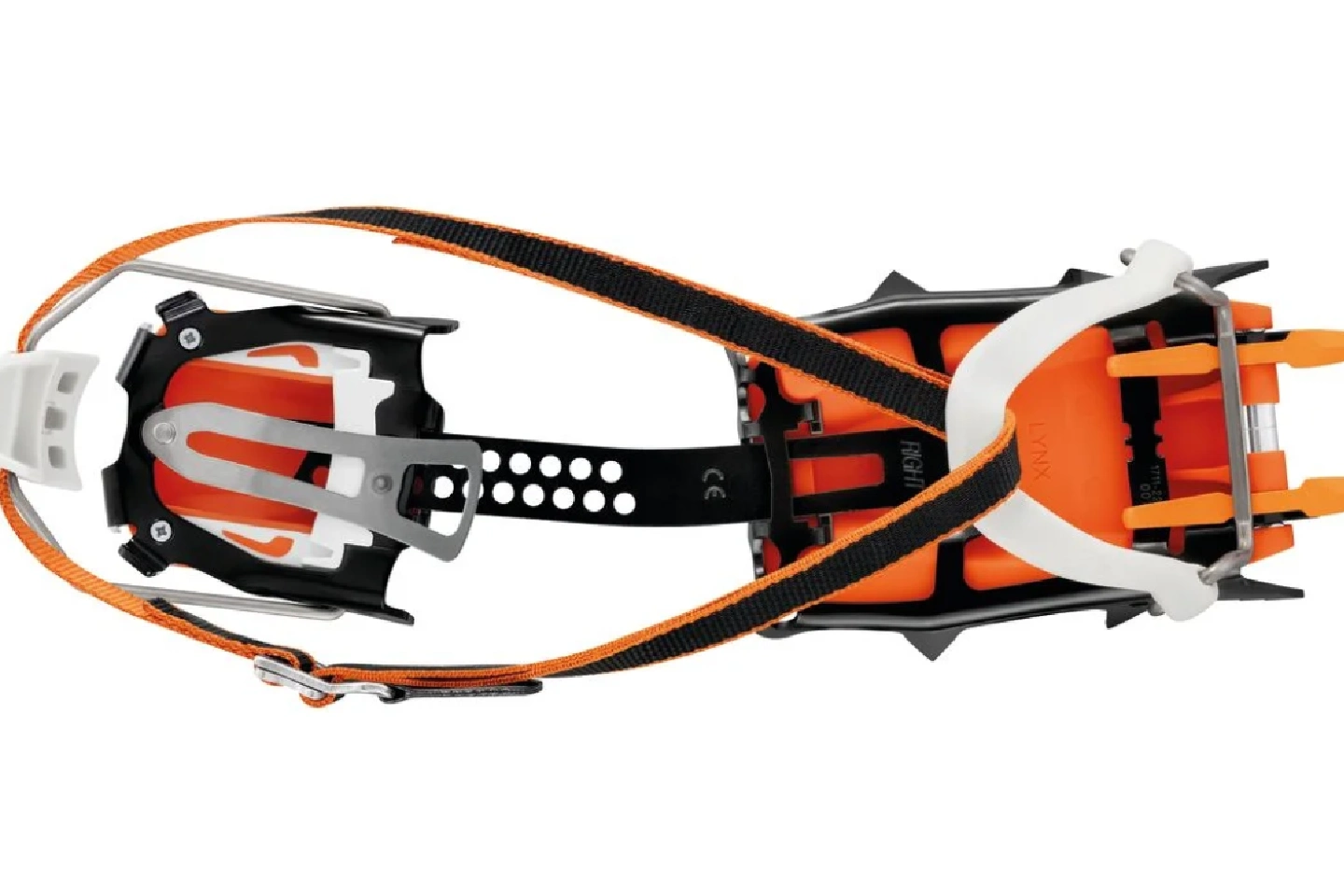
Crampons consist of solid metal and fit onto the sole of hiking boots or shoes to enhance a stable hold and minimize slipping. They are designed to resemble a frame with sharp ends or spikes and are helpful to grip a slippery surface. Crampons will provide your feet with the additional traction they require in order not to slip and fall on winter hikes. These gears are frequently utilized by hikers, mountaineers, and climbers under conditions where the trails are covered with ice or packed snow. The crampons keep you balanced along frozen walkways, icy stairs, and steep surfaces.
3. Types of Crampons for Hiking
Crampons used in hiking come in various forms. Choosing the right type helps you stay safe and comfortable on icy or snowy trails. Here’s an overview of common crampons for hiking:
Strap-on Crampons (Manual Crampons)
These are the most flexible and beginner-friendly options. They use simple straps to attach the crampons to your boots. You don’t need any special boot features to wear them.
- Fit most types of hiking boots or shoes
- Easy to put on and adjust
- Great for general winter hiking and snowy trails
Semi-Automatic Crampons
These have a strap in the front and a clip at the heel. They need boots with a heel welt at the back to hold the clip in place.
- More secure than strap-on crampons
- Fit boots with a heel welt
- It is ideal for moderate winter hikes with steeper or icier areas
Automatic Crampons
These snap onto both the toe and heel of the boot using clips. Your boots must have special notches (called toe and heel welts) for them to fit correctly.
- Offer the most precise and solid fit
- Made for stiff mountaineering boots
- Best for technical climbs, glaciers, or serious winter treks
Each type of crampon serves a different purpose, so pick the one that matches your boot and the kind of trail you plan to hike. Consider the type of trail you are going to hike before purchasing crampons.
4. Why Crampons Are Critical for Winter Treks
Winter Hiking Is Beautiful but Risky
Winter trekking may bring incredible scenery and a peaceful trekking experience, but it also poses some serious problems. That is why the crampons are an inseparable part of a climbing kit. They consist of metal points that fit the bottom of your shoes to support your balance on ice.
Icy Trails Increase the Risk of Falls
Frozen snow trails require patience and expertise on the part of a climber. They are among the significant problems in an expedition. Lack of the necessary equipment makes you fall easily. It may also lead to severe injuries. Hiking crampons are also helpful in avoiding such occurrences and securing a good grip on the feet, allowing you to control your movements.
Crampons Help on Uphill and Downhill Terrain
Crampons are also helpful when climbing upward or walking backward on frozen trails. Smooth slopes become risky when snow accumulates or freezes overnight. Crampons will help ensure that your feet do not slip backward. It makes you walk comfortably and securely.
5. Choosing the Right Crampons for Your Shoes
Selecting the right crampons starts with comparing them to your footwear and trekking needs. Follow these tips to ensure fit, comfort, and performance.
Start by examining your footwear
Identify your boot sole stiffness. Rigid soles work best with step-in or hybrid crampons, while flexible-soled boots need strap-on models.
Footwear compatibility is key
- Ensure that there are toe and heel welts or grooves. Step-in crampons must have both, while hybrid crampons only have a heel welt.
- In the case of boots that either lack welts or have soft soles, use strap-on crampons that will accommodate various types of footwear.
Choose the right material and frame
- Steel structures offer a good hold on rock and ice, whereas aluminum types are light in weight; however, they wear out faster on rough surfaces.
- The semi-rigid frame offers comfort during movement without compromising the strength needed for winter climbs.
Binding systems matter
- Strap-on models are adjustable and can be paired with most boots.
- Hybrid crampons feature a secure heel clip and a flexible toe strap, providing balanced stability.
- Automatic crampons lock onto the boot’s toe and heel, ideal for technical climbs when your shoes have full welts.
Counting points and adjustability
Most hiking crampons have 10–12 points—enough for general trekking. Look for models with adjustable or modular front points or 14 points if your terrain changes between walking and climbing.
Test for fit and flexibility
- Try it with your boots to check that the center bar flexes similarly to your sole.
- Ensure the crampon frame contacts the full sole with no gaps, and adjust the toe bail or bars for a snug fit.
6. Safety Tips & Maintenance
Crampons are necessary for winter hikes, but only when used and maintained correctly. By learning how to wear crampons, how to walk with them, and taking precautions, you may avoid accidents and increase the product’s lifespan.
Safety Tips
- Before going out on the trail, take a field trip around in a safe, open space with your crampons and get used to them being on your feet. It allows you to get habituated to them on your feet.
- Manage to keep your legs a little apart so as not to end up catching one crampon against the other. It is one of the most common trappings that beginners make when stepping into their gear.
- Put your pants or gaiters in a tight position around your ankle and avoid getting them between the crampon spikes.
- When moving around others or through rocky areas, proceed carefully. Crampons may slide or destroy surfaces that do not want to be spiked.
- An additional set of straps and small tools in a basic kit can prove to be a lifesaver in the event of a track breakage.
Maintenance Tips
- Clean your crampons of snow, mud, and grit after a walk. Wash them in clean water and thoroughly dry them, and they will not rust.
- Examine the spikes, the straps, and the binding system before every trip. Replace worn-out or broken parts.
- Crampons should be kept in a heavy-duty case or pouch to guard the spikes and the rest of your equipment. Do not leave them in wet conditions.
- In the case of points becoming dull, it will be found convenient to sharpen them with a file. The best way to care is always to refer to the guide given by the manufacturer.
7. Other Essential Winter Gear to Pair with Crampons
The use of crampons is ineffective when you have not carried winter protective clothing and other recommended accessories. Having the right winter equipment, as well as crampons, is essential to ensure you are safe, dry, warm, and comfortable in any snow or icy hiking area.
- Waterproof and Insulated Boots
Warm or wet boots with crampons are not helpful, as the snow surface can be slippery. Get waterproof, warm, and rugged boots. They must also be stiff enough to hold crampons, particularly when hiking under icy slopes.
- Gaiters
Gaiters are custom-designed over your lower legs and the top of your boot. They prevent snow, slush, and water from entering your shoes, keeping your feet dry. They also save your pants from being wet or damaged.
- Layered Clothing
It is always advisable to layer clothes to keep warm and dry. The next layer is the base layer, which removes the sweat, followed by the middle layer, which is warm, such as fleece or wool. Complete with an outer jacket that is waterproof to prevent wind and snow.
- Warm Cap and Gloves
A hat that is suitable for extreme winter conditions will keep your head warm and protect your hands from frostbite. In addition, select gloves that allow you to handle poles and adjust gears without removing them.
8. Conclusion
If you are a beginner or even a professional climber, crampons can be helpful in several ways. Pairing them with the proper boots can help you stay safe during your expedition. If you are looking for a reliable gear provider, shop for high-quality sports gear from Mountain Extreme. We provide trusted gear from leading brands and ensure a satisfying shopping experience for every client. Check out the PETZL Lynx Crampon, which is a favorite among professional climbers and ice hikers. It’s designed for modular use, giving you excellent grip and adaptability on mixed terrain.