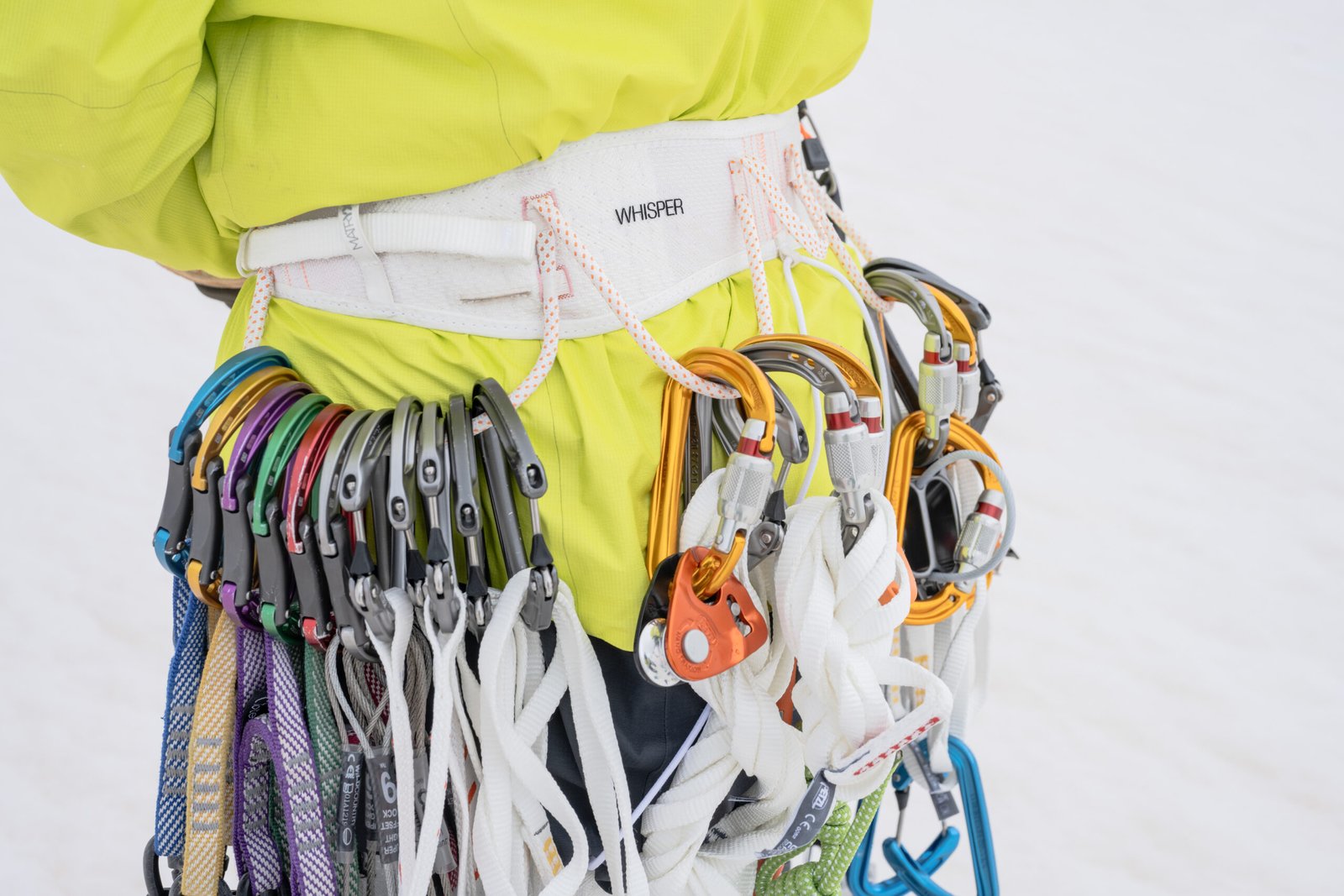
Your safe harness is one of the most important pieces of climbing gear you’ll ever own. As a first-time climber, whether it is an indoor route or preparing for multi-pitch routes, moving freely and focusing on the climb can be easily achieved with the comfort and reliability of a Petzl harness. Here’s what to check before choosing the right one.
Proper Fit and Adjustability Make or Break a Safe Harness
An effective climbing harness should feel like an extension of your body, or more simply, a second skin wrapping around you snugly but not uncomfortably. Safety and comfort work together when it comes to fit.
Choose reputable brands, such as the Petzl harness, in order to enjoy:
- Changeable waist and leg loops that cater to added clothing layers during the cold months or seasonal changes.
- Ease around the waist while being snug above the hips.
- Adjustable lapel points that are fixed while climbing and are easy to reach.
Test the harness by sitting in it while hanging on a rope, if possible. If the harness is overly restrictive or too mobile, try a different one.
Padding and Comfort for Long Climbs
You’ll really appreciate good padding on those longer belays or hanging sessions at the crux. Some climbing harnesses are built minimally for sport climbing, while others—like a Petzl climbing harness designed for trad or big wall use—come with extra cushioning.
Here’s what matters:
- Thick padding along the waistbelt and leg loops for extended comfort.
- Contoured shapes that distribute pressure evenly.
- Padding that stays breathable and doesn’t absorb too much sweat.
Even if you only plan short climbs now, your comfort during longer sessions depends heavily on how well your harness supports you.
Harness Weight and Packability: Light Doesn’t Mean Less Safe
The best climbers know how to balance strength and weight. A safe harness should be light enough not to slow you down but strong enough to protect you.
If you’re heading into alpine routes or multi-day ascents, you want something that:
- Packs down small in your bag.
- Uses lightweight materials without sacrificing strength.
- Feels barely there but holds up under pressure.
Many Petzl harness models strike this balance perfectly, offering featherlight builds with EN/CE-certified safety.
Gear Loops and Racking Capacity Matter More Than You Think
Not all climbing harnesses have the same racking options. Trad climbers and big-wall climbers need more gear loops and better organization than someone sport climbing at the gym.
Things to look for:
- At least 4 gear loops—rigid ones in the front, flexible ones in the back.
- Loops that are angled for easy clipping and unclipping.
- Ice clipper slots or extra attachments if you’re into mixed or ice climbing.
A good Petzl climbing harness will offer smartly positioned loops that make your life easier mid-climb.
Belay Loop Strength and Durability: The Core of a Safe Harness
Your belay loop is the central connector—it ties you to your gear, your belayer, and your protection. It must be bombproof.
Make sure your safe harness features:
- A well-reinforced belay loop rated for high load strength (usually 15–22 kN).
- Tight stitching with no fraying or looseness.
- Smooth operation with carabiners and belay devices.
Never ignore visible wear on this part. If it’s frayed or looks faded, retire the harness immediately.
Leg Loop Design: Adjustable vs. Fixed—Which One’s Right for You?
There’s no one-size-fits-all answer here, but it’s an important decision.
- Adjustable leg loops are perfect for layering, alpine missions, or varied conditions.
- Fixed leg loops are lighter and better for sport climbing when conditions stay consistent.
If you climb in cold weather or wear different layers, an adjustable harness might be a safer and more flexible option. If weight savings are a priority and you’re mostly indoors or on warm crags, fixed leg loops will do the trick.
Buckles: Auto-Locking vs. Manual Double-Back
Buckles matter more than they get credit for. A good Petzl harness uses secure, easy-to-use buckles that won’t slip or come undone.
Two main types:
- Auto-locking buckles: Fast and secure with no need to double back.
- Manual double-back buckles: Require the user to thread and re-thread for safety.
While both are safe when used correctly, auto-locking is more beginner-friendly and saves time at the crag.
Haul Loop for Tag Lines and Extra Gear
If you’re into trad, aid, or multi-pitch climbs, this small detail makes a big difference. A haul loop is the fabric loop at the back of your climbing harness used for clipping tag lines, hauling gear, or carrying approach shoes.
Look for:
- A haul loop that’s strong enough to hold weight (rated or reinforced is best).
- Placement that doesn’t interfere with your chalk bag or harness movement.
- Easy accessibility, even when wearing a pack.
For extended missions, this feature is critical, especially when more than just the basics need to be carried.
Breathability and Material Quality for Long-Term Comfort
Climbing gear should allow for airflow during hot and sweaty activities. Your harness should assist in providing coolness while climbing, not adding heat.
Look for harnesses that have:
- A lining of mesh or perforated foam for better airflow.
- Harnesses are made with moisture-wicking materials to ensure that sweat buildup is minimized.
- Robust outer fabrics that resist abrasion from rock and gear.
Petzl climbing harnesses are designed using quality materials that breathe and withstand harsh conditions, ensuring comfort during sweat-inducing activities.
Certifications and Safety Standards—Don’t Skip This Part
It’s not the flashiest part of buying gear, but safety ratings matter. Always check for CE or UIAA certifications on your harness.
This means:
- The harness has passed strict quality and strength tests.
- It’s safe for load-bearing use in climbing.
- It’s been evaluated by a recognized body, not just self-tested.
A certified Petzl harness brings that extra level of trust that your equipment won’t let you down.
Special Features for Different Climbing Styles
Your harness should match your climbing goals. Here are a few considerations based on style:
- Sport climbing: Go for lightweight, minimal design, fixed leg loops, and fewer gear loops.
- Trad climbing: Extra gear loops, padding, and haul loops are a must.
- Ice and alpine climbing: Adjustable leg loops, ice clipper slots, and packable size are key.
- Indoor or gym use: Simpler harnesses with basic features work fine, but comfort still matters.
The best Petzl harness models cater to different climbing disciplines with purpose-built features, so don’t buy a one-size-fits-all if you’re committed to a style.
Climb Smarter: Choose the Right Safe Harness for Every Adventure
Petzl climbing harness for women and for men offers comfort and performance, tailored to one’s physique and climbing habits. Safeguarding your body and giving you something that fits your body is critical. Having a well-designed safety harness provides peace of mind, allowing you to perform better than ever before and safely push harder.
Whether you’re on sport routes, frozen waterfalls, trad lines, or rock climbing, the right harness is the difference that you need to get the support you require—support that aids your performance. So next time you gear up, notice how your harness supports and performs with you.