Introduction
The initial considerations that come to most people’s minds related to climbing gear include harnesses, ropes, carabiners, and climbing shoes. But what about climbing gloves? Do climbers need them as a piece of equipment, or are they an unnecessary add-on? Climbing gloves are a subject of controversy for climbers. Some use them as a swear word when belaying, rappelling, or facing steep rocks and cold weather. Some climbers also believe they are an extra accessory and like to use the natural grip and sensation with bare hands. This blog post will explain different types of climbing gloves, their strengths and weaknesses, and their proper usage to avoid injuries.
Types of Climbing Gloves
Belay Gloves
One of the most popular types of climbing gloves is the belay glove. This is because climbers spend a significant amount of time using ropes during their climbs. These gloves are made to ensure that your hands do not receive rope burns, friction, and heat accumulation when belaying and rappelling. They are available in full-finger types to cover more surface area, and half-finger fitting, depending on whether you want to tie knots or your gear.
Crack Climbing Gloves
When it comes to protection and durability, crack climbing gloves are at the top. Rather than wrapping your entire hand like traditional gloves, they offer a minimalist design. They are narrow, thin, and are made to fit close, made to avoid interfering with precise hand-wedging moves.
Ice Climbing Gloves
When you need to climb in a cold environment, gloves can be the difference between success and failure. Ice climbing gloves are designed to meet the icy, damp, and edgy needs of vertical ice and mixed mountain terrain. The rock climbing gloves are thickly insulated and waterproof, keeping your fingers warm and dry. They are also flexible enough to allow you to grab ice tools, such as axes and screws.
Multipurpose Climbing Gloves
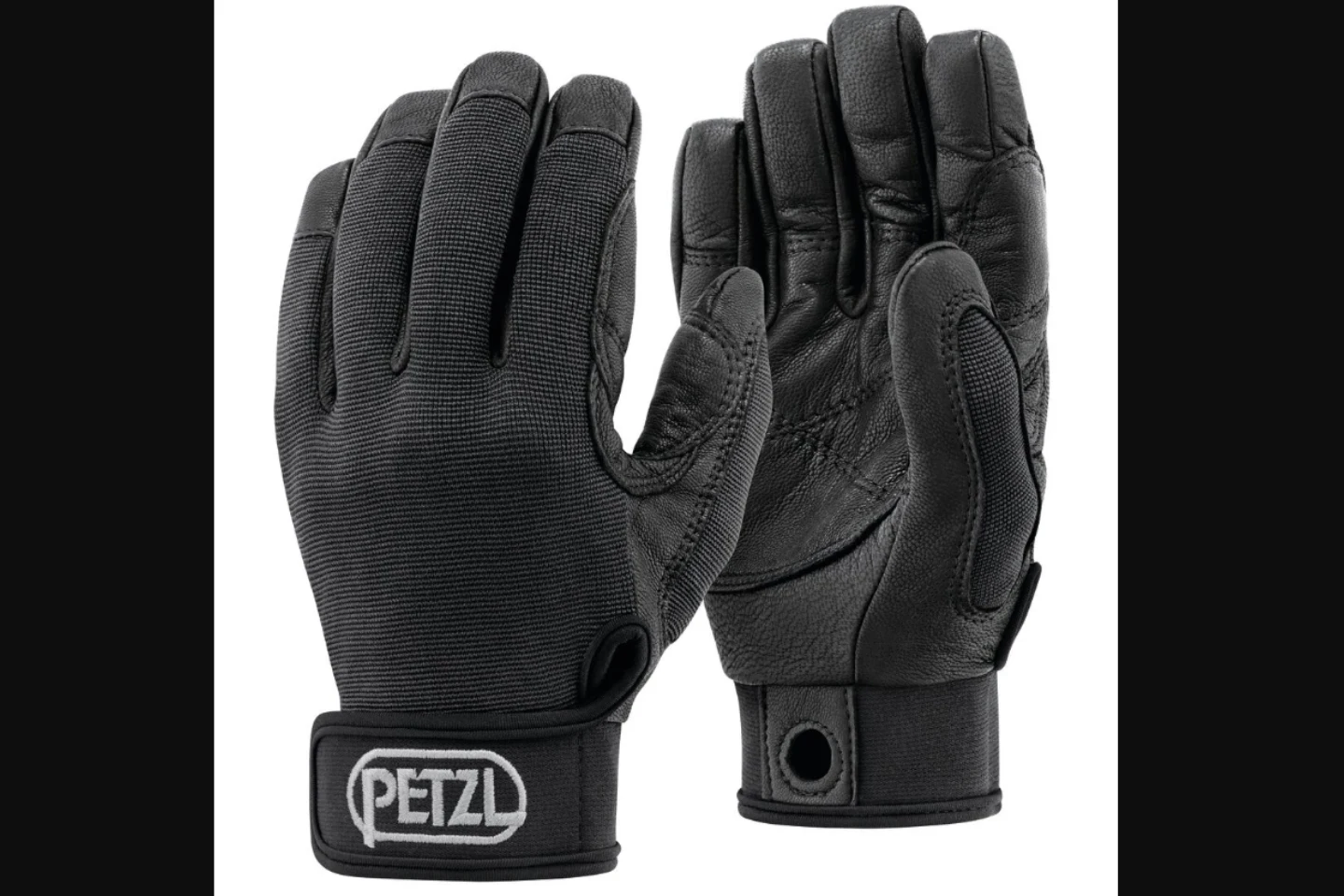
Multipurpose gloves are designed to extend the capabilities of climbers’ hands, providing comfort and durability during challenging trails. A good example is the Petzl Cordex, which strikes a good balance between protection and movement. The other option is the TRAKS Pro Gloves, which allow the climber to maintain excellent agility while protecting the main points of pressure in the hand.
Pros of Using Climbing Gloves
The main advantages of wearing climbing gloves are given below:
Hand Protection
There is high friction, pressure, and rough surfaces involved when it comes to climbing. Chances are high that your skin is abused, whether you are rappelling off a wall, holding onto a rough rock hold, or feeding in the rope in a belay device. The rock climbing gloves serve as a protective layer. They keep you safe from minor setbacks that can affect your upward movement on the rope.
Improved Control of Equipment
Both wet and sweaty hands are a frequent issue in hot and humid climbing conditions. It is unsafe when your hand gradually loses its grip on carabiners, a fixed cable, or a slick rope. Gloves provide a better grip on equipment and surfaces.
Long Sessions Can Be Comforting
Once you have been on a long route or belaying something for hours, your hands will begin to show the effects. Gripping and continual handling of the rope will make your palms and fingers hurt. Crack climbing gloves provide some cushion and grip, as well as protect the hands.
Temperature Control
During cold weather or in high winds, when the hands are likely to be exposed to a harsh environment, the possibility of injuries can affect your climbing. Gloves aid in trapping body heat and keeping your fingers out of contact with the cold.
Cons of Using Climbing Gloves
Here are the main drawbacks to keep in mind before adding them to your gear list:
Less Sensitivity and Feel
Among the worst cons of a climbing glove is that they can make the rock or your gear feel artificial. When you put on any gloves, including thin ones, there is always some layer between your hands and the surface you are touching. It may complicate the ability to read holds, feel textures, or detect fine changes in grip.
Poor Fit Can Lead to Frustration
When you have a good pair of gloves, they should neither be too tight nor too loose, allowing you to move your fingers freely. Every glove has different measurements and sizes. When they are too tight, they may hinder free movement and may not feel very comfortable. You can choose one in which your hands don’t feel pressure and enable hassle-free movements.
Additional Weight and Load to Bear
The use of gloves is not mandatory in every climbing situation, and in fact, it is just another piece of gear to travel with for some climbers. Gloves could remain in your pack in case you are not going to belay, rappel, or climb in rough or cold weather.
When Gloves Are Most Useful
There are clear situations where gloves make a lot of sense. Here are some of the most common:
- Belaying or Rappelling: Protects hands from rope friction, especially on long descents or when belaying gets challenging.
- Crack Climbing: Thin hand-jam gloves prevent painful scrapes without adding bulk to the inside of cracks.
- Cold Weather or Ice Climbing: Essential for warmth and functionality. Without gloves, your climb can become demanding as the cold environment affects your grip.
- Long Multi-Pitch Routes: Gloves reduce hand fatigue from long hours of rope handling and protection placements.
When to Skip Gloves
Gloves are not always necessary. In fact, in some cases, they can make climbing harder:
- Sport Climbing or Bouldering: You need direct rock contact and maximum sensitivity for grip. Gloves can affect the grip and make it harder to feel small holds or adjust your fingers.
- Hot or Humid Conditions: Gloves can cause your hands to overheat, making things uncomfortable.
- Short Indoor Sessions: At the gym, your rope work is minimal, so gloves usually aren’t needed.
- Technical Fingerwork: Routes with small crimps or finger-intensive holds are best climbed barehanded for better precision.
What the Experts Say
Many experienced climbers have a balanced view of gloves. Here’s what they often point out:
- Use them for belaying and rope work, not technical climbs. Gloves are more helpful for handling the rope than touching the rock.
- Get the right fit. Improperly sized gloves can compromise your grip and increase the risk of accidents.
- Gloves are tools, not crutches. Don’t rely on gloves to hide poor technique or avoid developing proper hand strength.
- Wear gloves according to your level of activity.
For example, mountain guides often wear gloves for belaying and via Ferrata to reduce skin wear over long days. Meanwhile, some elite sport climbers almost always climb barehanded to maintain rock sensitivity.
Final Verdict: Should You Use Climbing Gloves?
So, should you wear climbing gloves? It depends on your climbing style and situation.
YES, consider using gloves if:
- You belay or rappel often
- You’re crack climbing or via ferrata climbing
- You climb in cold or icy conditions
- You’re new and want to protect your hands while learning
- You do long, gear-heavy, multi-pitch climbs
NO, you may want to skip gloves if:
- You’re sport climbing or bouldering
- You need complete rock sensitivity
- You climb mostly indoors
- It’s hot and humid
Recommended Gloves Based on Climbing Type
Choosing the right climbing gloves depends on the type of climbing you’re doing. Here are three top-rated gloves you can find on Mountain Extreme and how they fit different climbing needs:
1. Petzl Cordex Glove
The PETZL CORDEX is a lightweight, breathable glove designed for belaying and rappelling. It features a durable leather palm with reinforced stitching for long-lasting use. The back is made of stretch nylon for comfort and ventilation, which helps keep your hands cool.
2. Traks Pro Gloves
The TRAKS PRO GLOVES are built tough for rugged use. With lyra binding, elastic cuff, and a snug fit, they’re ideal for Ferrata, big wall climbs, or any climbing where your hands take a beating. They offer solid grip and hand coverage.
3. Petzl Cordex Plus
For those who need extra durability and comfort, consider the PETZL CORDEX PLUS. It features double-layer leather padding, making it perfect for frequent rappelling, rescue work, or guiding. The extended cuff adds wrist protection without limiting mobility.
Conclusion
Climbing gloves can be a smart, practical part of your gear—if you use them the right way. They protect your hands, improve safety during rope work, and offer extra comfort on specific routes. But they can also reduce touch sensitivity, make your hands sweat, and get in the way if you don’t need them. If you’re searching for a trusted gear store in the UAE that offers reliable gear, shop for quality gloves from leading brands at Mountain Extreme. We offer gloves suitable for different activities and trails.